Water-Wise Landscaping in Camarillo: A Homeowner's Guide
Key Takeaways: Water-Wise Landscaping
- Value Over Reduction: Water-wise design is not simply about using as little water as possible. It is about putting water where it provides real value.
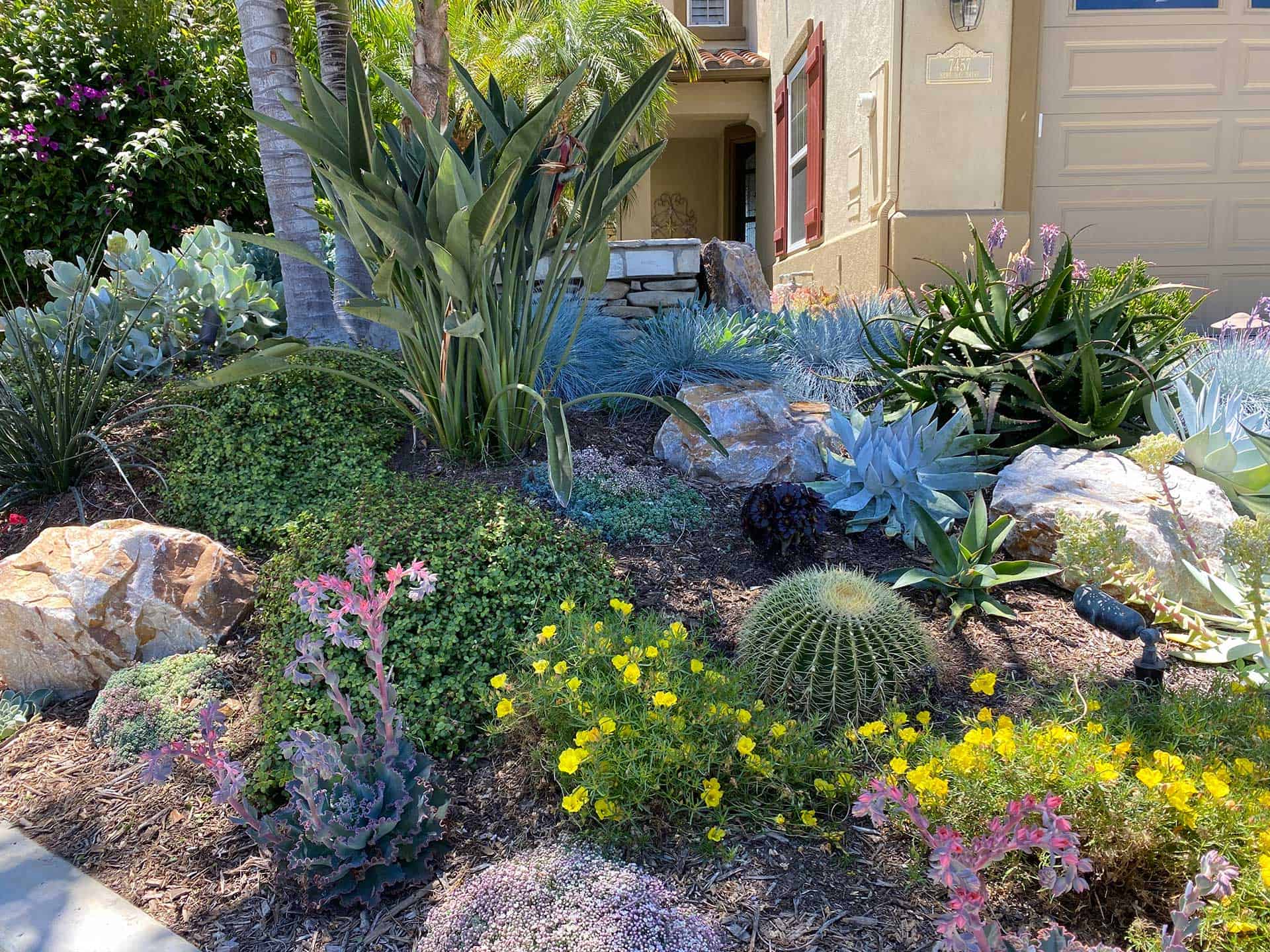
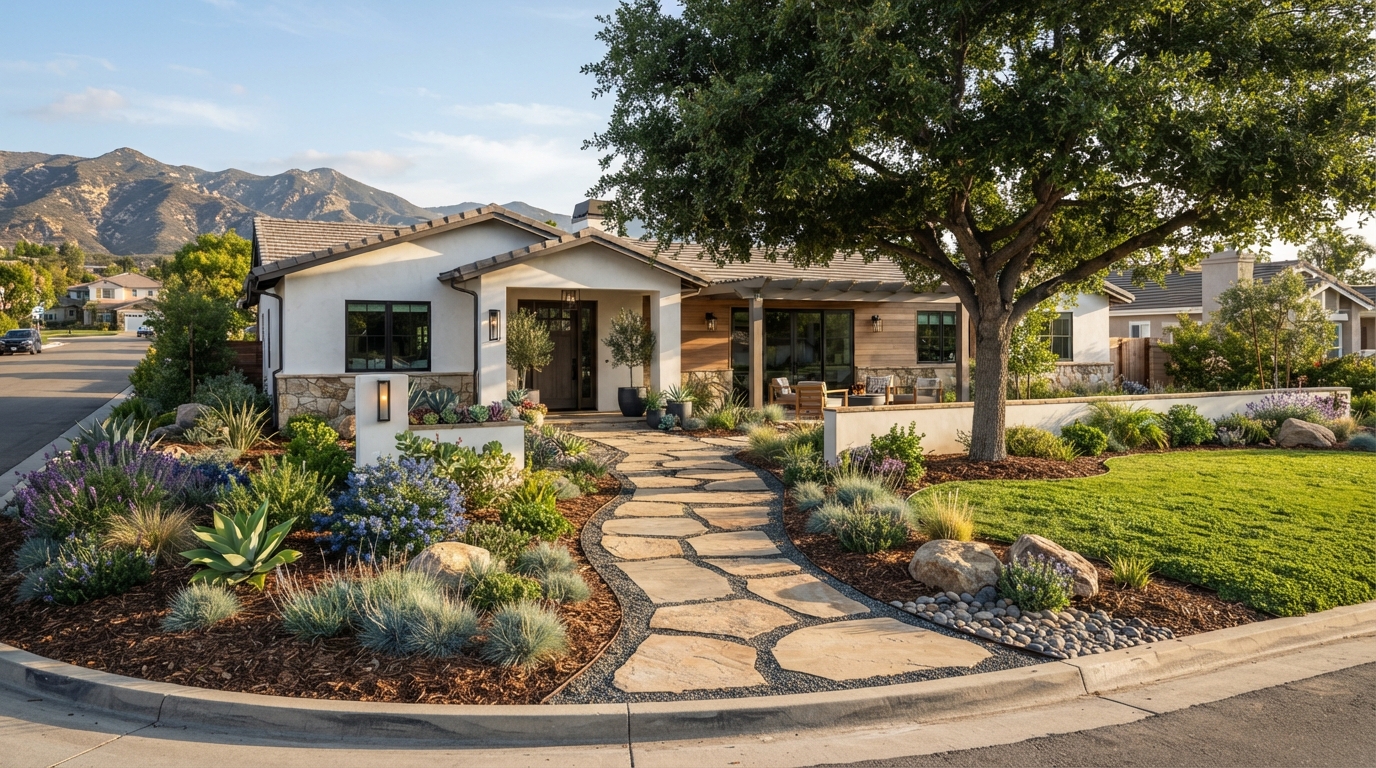
- Beyond Rocks and Cactus: A water-efficient landscape can still be green, layered, shaded, and inviting without feeling like a desert.
- Systemic Planning: Grouping plants by water needs, efficient irrigation, mulch, trees, and smart hardscape work together as a single system.
Using less landscape water does not require turning your yard into gravel and cactus. For most Camarillo homeowners, the goal is not to eliminate greenery, but to create an attractive outdoor space that uses water thoughtfully and efficiently.
Water-wise landscape design coordinates how you use your property with plant selection, irrigation, shade, soil, hardscape, drainage, and maintenance. Rather than treating water efficiency as a compromise, a well-planned design puts water where it provides genuine value, whether that means supporting a functional lawn area, shading a patio, or establishing layered planting that thrives in local conditions.
Start with how the yard is actually used
Before deciding what plants to buy or where to reduce turf, determine what you need from your outdoor space. Homeowners use their yards in different ways:
- Active play areas for children
- Dedicated space for pets
- Outdoor dining and cooking space
- Shaded seating for relaxation
- Garden beds for flowers or vegetables
- Walkways and circulation routes
- Privacy screening along property lines
A functional water-wise plan supports how your household lives. It does not require converting every square foot into low-water planting or hardscape. Once you identify which areas serve an essential purpose, you can plan irrigation and planting to support those spaces while making surrounding areas more water efficient.
Reduce lawn strategically, not automatically
You do not need to eliminate every square foot of grass to make your property water wise. Living turf provides a comfortable surface for children, pets, and outdoor recreation. A more practical approach is identifying lawn that serves a clear purpose versus lawn that exists simply because it was planted years ago.
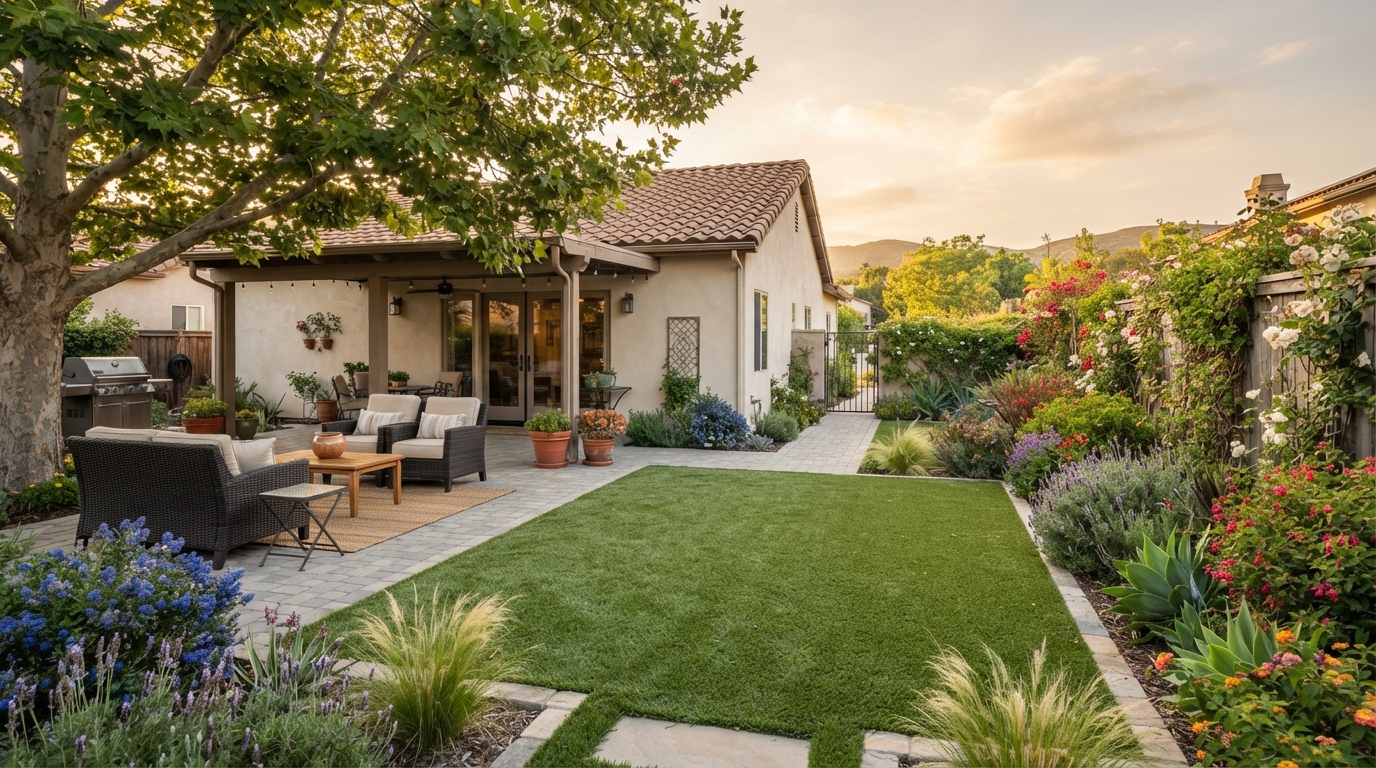
Useful lawn areas might include an open backyard play space or a central lawn panel framed by planting beds. Areas to reconsider include narrow side-yard turf strips, difficult-to-irrigate slopes, awkward corners near driveways, and large front lawns that receive little foot traffic. Replacing underutilized turf with layered planting, groundcovers, or a patio can reduce overall irrigation needs while keeping useful grass where it matters.
Choose plants for your actual site conditions
Selecting climate-appropriate plants is central to water-wise design, but plant choices should be based on your specific property rather than general plant lists. Consider sun exposure, soil conditions, mature height and spread, drainage, wind, and how plants will look alongside your home.
It helps to understand common plant categories:
- California native plants — Species indigenous to California that have adapted to local rainfall patterns and soil conditions once established.
- California Friendly plants — Non-native species from similar Mediterranean climates around the world that thrive with modest summer irrigation.
- Drought-tolerant plants — A broad category describing plants that survive extended dry periods once established, including succulents, shrubs, ornamental grasses, and trees.
Not all plants in these categories have identical water needs. The University of California's WUCOLS (Water Use Classification of Landscape Species) system categorizes plants by water requirements, making it easier to evaluate suitability for local microclimates. Learn more about plant selection on our drought-tolerant landscaping page.
Design irrigation around your planting
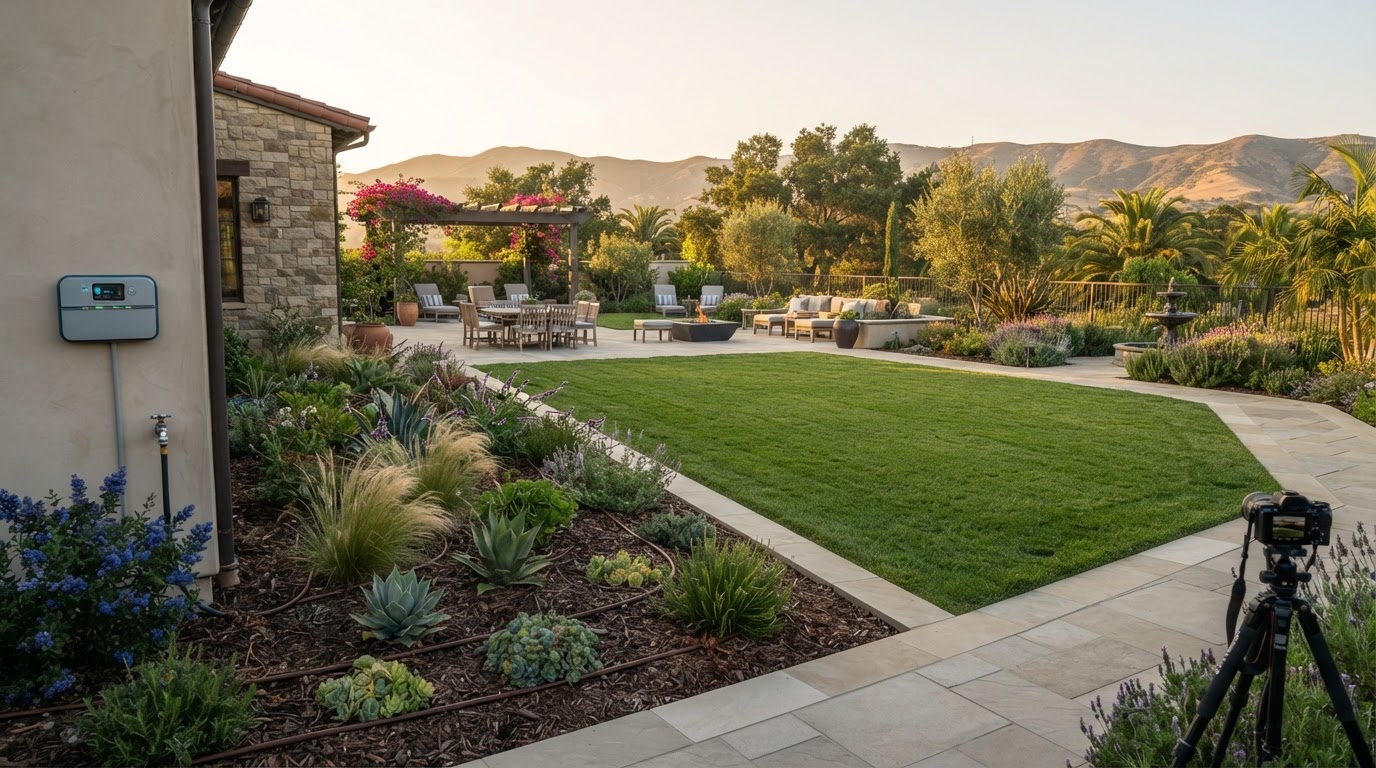
Choosing water-efficient plants will not save water if the irrigation system waters every area equally. Efficient landscape design groups plants into "hydrozones"—areas where plants with similar water, soil, and sun requirements share an irrigation valve.
Grouping plants by water needs prevents overwatering low-water plants simply to keep thirstier neighbors healthy. Drip irrigation, micro-spray equipment, and pressure-regulating valves deliver water directly to root zones with minimal evaporation or overspray onto hardscape. Checking for leaks, inspecting spray heads, and adjusting watering schedules seasonally ensure the system operates as intended. Learn more about system upgrades on our irrigation systems page.
Do not forget trees and shade
Trees are essential to a comfortable, well-designed landscape. Canopy shade lowers ground temperatures, reduces soil moisture evaporation, protects surrounding understory plants from intense summer sun, and makes outdoor seating areas far more enjoyable.
Removing healthy mature trees simply to reduce water use is rarely necessary or beneficial. Selecting site-appropriate shade trees, watering them deeply and less frequently to encourage deep root growth, and protecting root zones during landscape work preserve canopy benefits for years to come.
Use hardscape purposefully
Patios, walkways, courtyards, and outdoor seating areas naturally reduce the square footage that requires routine irrigation. However, paving over large portions of a yard simply to eliminate watering can make the space hot, sterile, and difficult to drain.
Hardscape should serve a clear function: supporting dining, seating, cooking, or circulation. Combining purposeful hardscape with permeable joints, gravel accents, and layered planting beds creates a balanced design that manages stormwater runoff while maintaining greenery and visual warmth. Explore options on our patios and hardscaping pages.
Mulch, soil, and moisture management
Planting and irrigation are supported by what lies beneath them. Applying a 2- to 3-inch layer of organic mulch over planting beds reduces soil moisture evaporation, suppresses weed growth that competes for water, moderates soil temperature, and improves soil structure as it decomposes.
Amending compacted soil with organic matter improves water infiltration and root development, allowing plants to access moisture deeper in the soil column. Combined with proper grading and drainage, healthy soil helps your landscape make the most of every gallon delivered.
Before You Start Your Project in Camarillo
Check these official local resources before beginning a front-yard or turf-replacement project:
- Zone Clearance: The City requires a "no fee" Zone Clearance for front-yard landscape changes. Visit the City of Camarillo Community Development page for guidelines.
- CLEAR Program: The City's Landscape Efficient Audit Retrofit program offers free water-use surveys through WaterWise/MWD. Learn more on the City of Camarillo Water Efficiency page.
- Turf Rebates: Check BeWaterWise.com for current turf-replacement incentive eligibility and application rules.
Water-wise does not mean maintenance-free
Replacing a lawn alters your maintenance routine rather than eliminating it entirely. While you may spend significantly less time mowing and fertilizing grass, a water-wise landscape still requires attention:
- Seasonal pruning to maintain plant health and shape
- Weed management, especially while young plants fill in
- Inspecting irrigation drip lines, emitters, and filters
- Replenishing organic mulch as it breaks down
- Care and deep watering for established trees
Understanding these maintenance expectations helps keep your landscape healthy and attractive as plants mature.
State regulations and local rules
Depending on the scope of your project, state and local landscape requirements may apply. California's Model Water Efficient Landscape Ordinance (MWELO) establishes water-budget and irrigation standards for applicable new construction and substantial landscape renovations. Homeowners planning extensive outdoor projects should confirm current requirements with their local building or planning department before work begins.
Frequently Asked Questions
What is water-wise landscaping?
Water-wise landscaping is an approach that plans plant selection, hydrozoning, efficient irrigation, mulch, shade, and hardscape so water is used intentionally where it provides value, reducing overall irrigation demand without sacrificing beauty or usability.
Does a water-wise yard have to be mostly rocks and succulents?
No. A water-wise landscape can include flowering shrubs, shade trees, ornamental grasses, climate-appropriate groundcovers, and selective lawn panels alongside hardscape. Layered planting creates greenery and visual fullness without requiring heavy irrigation.
Do I need to remove all my lawn?
No. Retaining functional lawn for recreation, pets, or play makes sense. Reducing underutilized grass—such as narrow side strips or front-yard turf—is often the most effective way to lower landscape water use while keeping functional lawn where needed.
What is the difference between drought-tolerant and California native plants?
California native plants are indigenous to local ecosystems and adapted to natural rainfall cycles. Drought-tolerant plants include both native species and climate-appropriate plants from similar Mediterranean regions worldwide that thrive with modest irrigation.
Does Camarillo offer turf-replacement rebates?
The Metropolitan Water District and local partners periodically offer turf-replacement rebates for eligible customers through BeWaterWise.com. Funding, terms, and rebate amounts vary, so homeowners should verify current program details before starting work.
What is Camarillo's CLEAR program?
CLEAR (Landscape Efficient Audit Retrofit) is a City of Camarillo program offering free water-efficiency surveys conducted by certified specialists to help residential and commercial customers identify indoor and outdoor water-saving opportunities.
Do I need City approval to change my front-yard landscaping?
Yes. The City of Camarillo requires a no-fee Zone Clearance for front-yard landscape modifications, including turf replacement or artificial turf installation. Check current guidelines with the Community Development Department before beginning work.
Planning a water-wise landscape in Camarillo
A successful water-wise landscape is not defined by having the fewest plants or the most gravel. It is a space where plant selection, irrigation, shade, hardscape, maintenance, and your household's needs have been planned together as a unified system.
If you are considering a landscape redesign, lawn conversion, or complete outdoor renovation in Camarillo, Colima Landscape Inc. can help develop a plan tailored to your property and lifestyle. Schedule a consultation to discuss your project goals.