How to Design an Outdoor Wellness Retreat in Ventura County
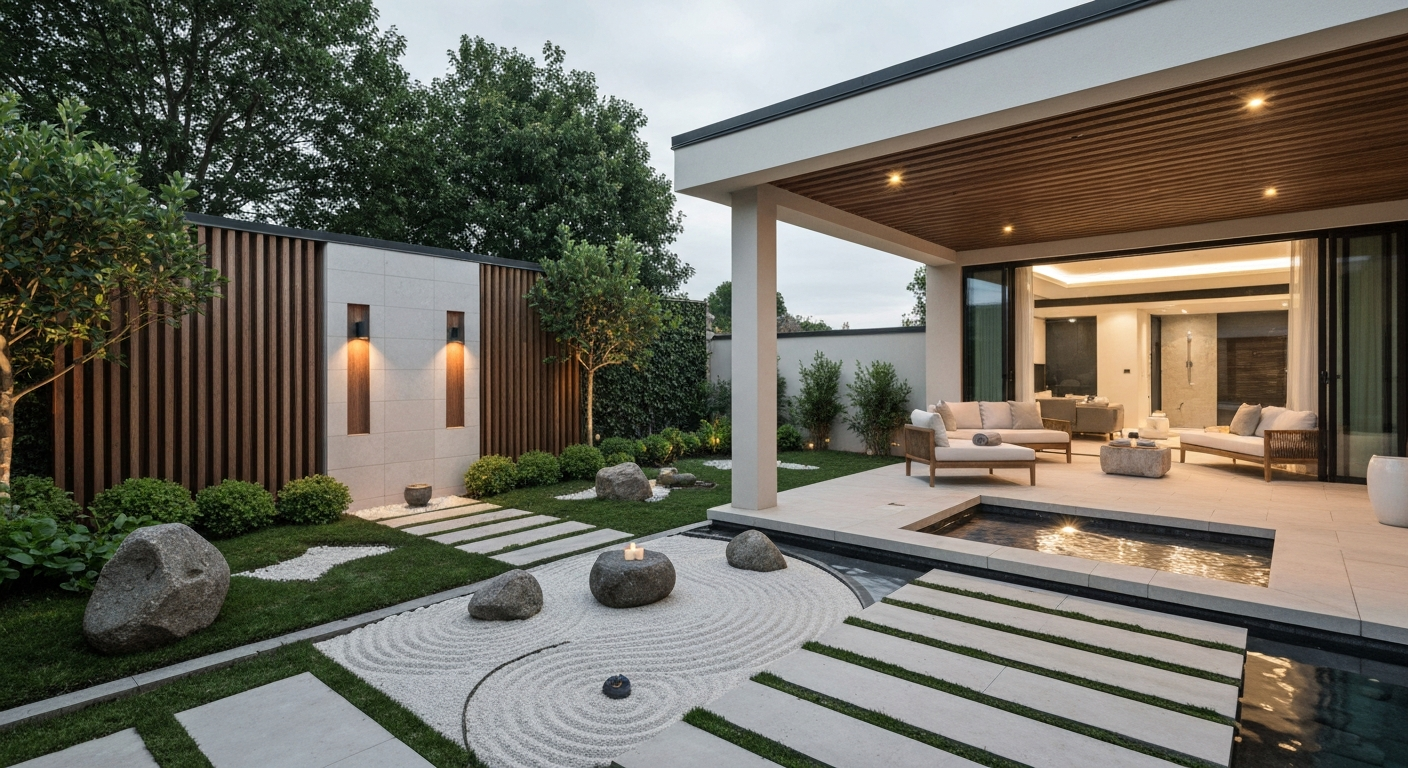
An outdoor wellness retreat starts with the homeowner's intended activities, the property's conditions and a realistic maintenance plan. Seating, planting, shade and optional water or equipment features should be planned as one coordinated space.
A landscape design can support the way a homeowner prefers to relax outdoors, but it cannot guarantee relaxation, stress reduction or any health outcome.
Direct Answer
An outdoor wellness retreat is an outdoor area arranged around the homeowner's preferred quiet, restorative or recreational activities. It may include comfortable seating, shade, planting, a spa or hot tub, and optional features such as a cold plunge or sauna. The design should fit the property, intended use and a realistic maintenance plan.
How do you design an outdoor wellness retreat?
The planning process begins with how the space will actually be used. A retreat designed for quiet reading will look different from one built around a spa and cold plunge. Location, circulation, privacy, shade, utilities and maintenance all affect the final layout.
The table below summarizes the main planning questions and why each matters.
| Design consideration | Questions to ask | Why it matters |
|---|---|---|
| Intended use | Quiet reading, stretching, soaking or entertaining? | The activity determines layout, seating and equipment |
| Location | How visible, sunny, windy or noisy is the area? | Site conditions affect comfort and privacy |
| Utilities | Are water, drainage, gas or electricity needed? | Specialized features may require additional planning |
| Privacy | Which views need to be softened or screened? | Planting and screens should respond to actual sightlines |
| Access | How will people enter and move through the space? | Steps, wet surfaces and nighttime use affect circulation |
| Maintenance | Who will care for plants, water and equipment? | Ongoing responsibilities differ substantially by feature |
| Regulations | Are permits, barriers or HOA approvals required? | Requirements depend on the address and project scope |
What is an outdoor wellness retreat?
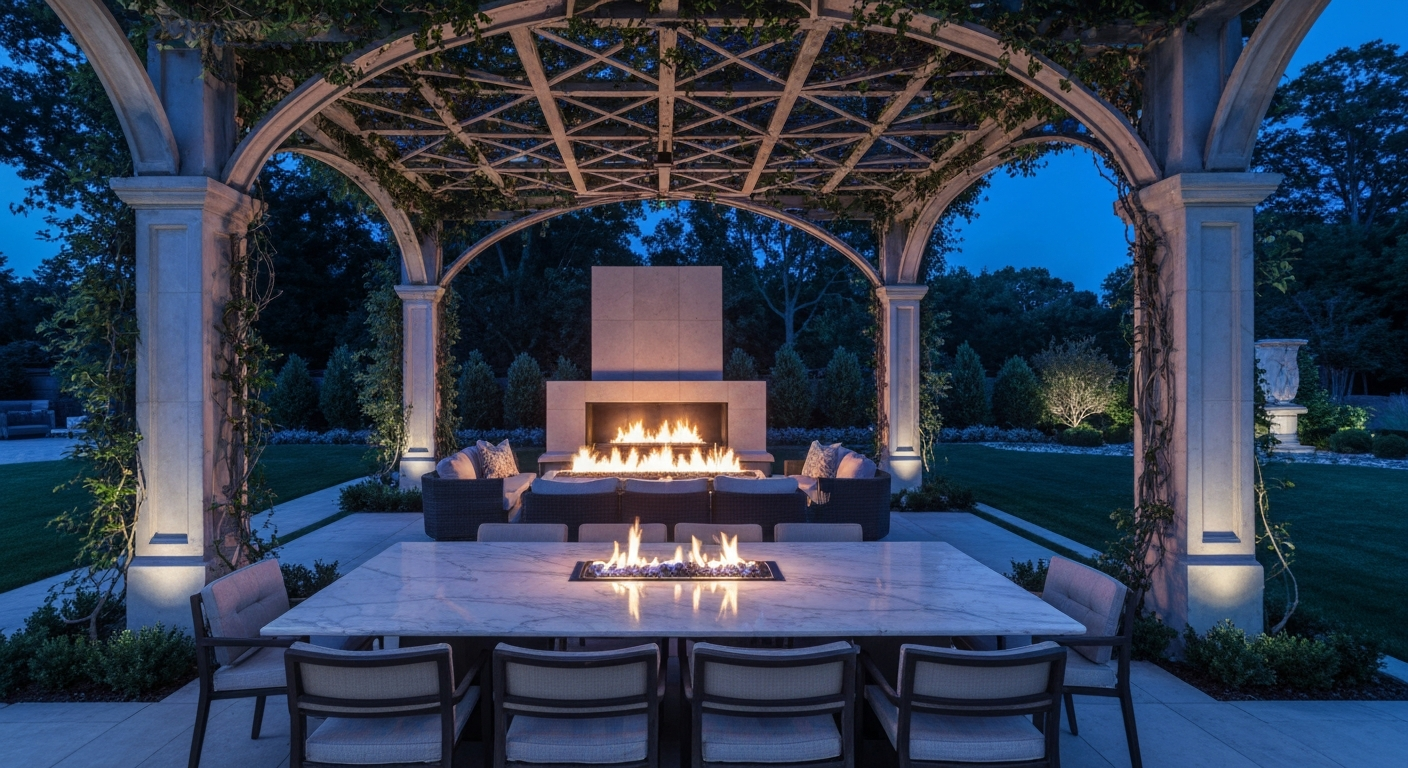
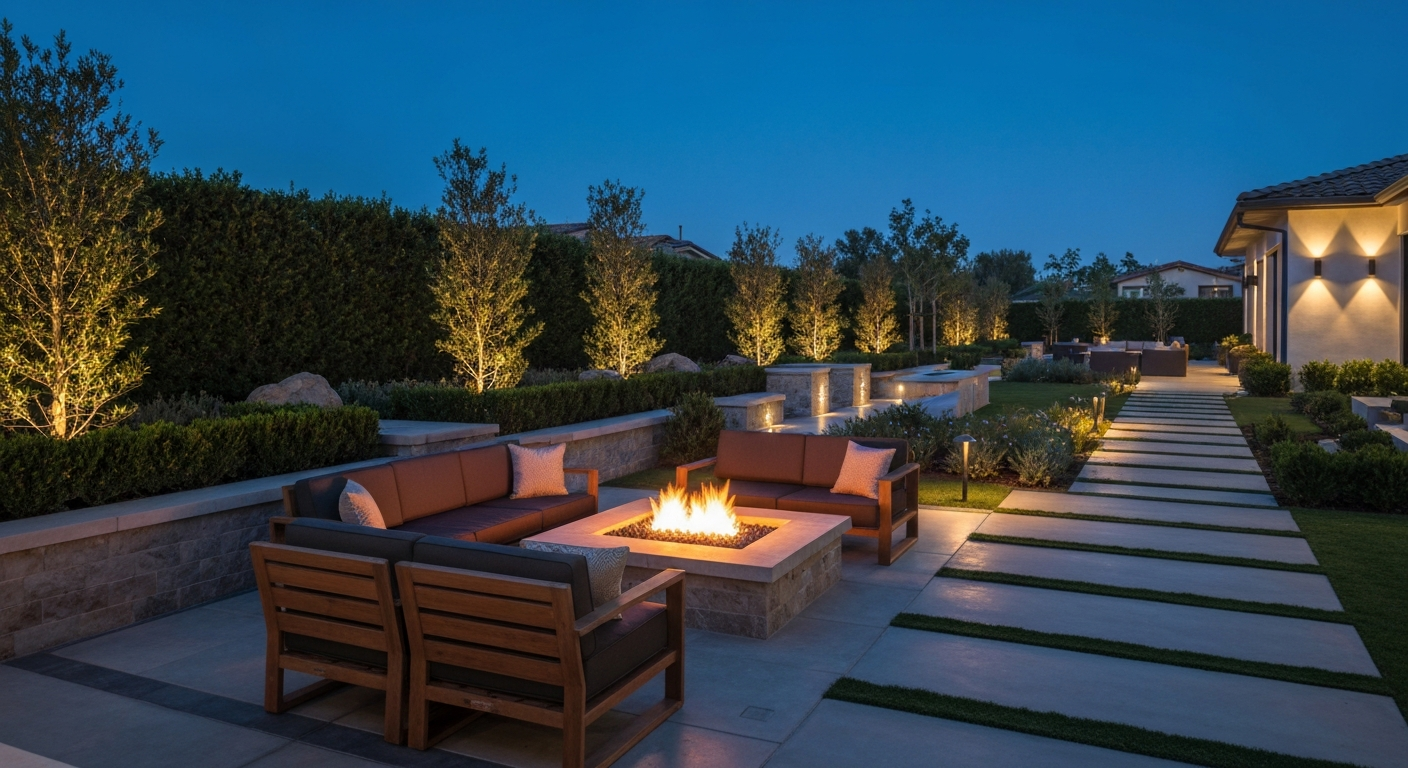
An outdoor wellness retreat is an outdoor area arranged around the homeowner's preferred quiet, restorative or recreational activities. Depending on the property and budget, it may include comfortable seating, shade, planting, a quiet garden, space for stretching or meditation, a spa or hot tub, an optional cold plunge, an optional sauna, outdoor lighting or a water feature.
A retreat does not require expensive equipment. A shaded seating area with layered planting and a simple path can serve the same purpose as a space with a spa and cold plunge. The design should follow the homeowner's actual routine rather than a checklist of features.
Which activities should the space support?
Design should follow actual intended use. Some homeowners want a quiet reading corner. Others want space for stretching, conversation, soaking, cooling down or gardening. A retreat built around a spa will need different utilities, access and surface materials than one centered on a garden bench and shade tree.
Defining the primary activities first helps avoid adding features that look appealing in a photograph but do not match the way the homeowner will actually use the yard.
How should the retreat be positioned within the yard?
The best location depends on sun throughout the day, afternoon heat, wind exposure, views from the house, neighboring sightlines, noise sources, existing shade, mature trees and roots, proximity to utilities, drainage, slope, walking distance from the house, equipment access, privacy and nighttime lighting.
The most secluded corner is not automatically the best choice. A remote location may complicate access, utilities, supervision or maintenance. The retreat should also relate thoughtfully to patios, pools, outdoor kitchens and other activity areas rather than feeling disconnected from the rest of the yard.
How can privacy be improved without enclosing the space?
Planting, screens, walls and thoughtful placement may improve visual privacy and help create a quieter-feeling environment. They cannot guarantee complete privacy or eliminate neighborhood noise.
Privacy results depend on property dimensions, neighboring elevations, existing fencing and walls, sightlines, plant size at installation, mature plant size, plant density, seasonal changes, setbacks and height restrictions, HOA rules where applicable, view corridors and the source and direction of noise. Visual screening is not the same as acoustic control. Plants and screens can soften the perception of sound but should not be described as soundproofing.
What should homeowners know about spas and hot tubs?
Spas and hot tubs require more than a visually appealing location. Planning should consider safe entry and exit, slip-resistant surrounding surfaces, equipment access, covers and access control, manufacturer-required clearances, water treatment and sanitation, filtration, cleaning and routine maintenance, drainage and water disposal, electrical requirements, plumbing requirements, structural support, energy use, privacy, lighting and proximity to the home.
The CDC provides guidance on hot-tub sanitation and maintenance. Proper water treatment is essential for health and safety. A landscape contractor can help plan the surrounding surfaces, access and integration with the landscape, but specialized equipment installation, electrical connections and plumbing may require appropriately licensed professionals.
What should homeowners consider before adding a cold plunge?
A cold plunge requires planning for placement, structural support, water management, electrical or mechanical equipment, safe access and ongoing maintenance. Equipment dimensions, filled weight, level placement, safe entry and exit, slip-resistant surroundings, drainage, water treatment, filtration, temperature-control equipment, electrical requirements, manufacturer clearances, covers and ongoing energy use all need to be considered.
Cold plunges have become popular as part of some personal wellness routines, but evidence for many broad health claims remains limited and results vary. Cold-water immersion produces an immediate physical stress response and may not be appropriate for everyone. Heart rate and blood pressure can change abruptly, and some people may face additional risks because of underlying medical conditions. A landscape contractor cannot determine whether cold immersion is medically appropriate for someone. Anyone uncertain about personal suitability should consult a qualified healthcare professional.
The American Heart Association discusses cardiovascular risks associated with cold-water immersion. Homeowners should not interpret this information as medical advice or a prescription for use.
How can planting, shade and natural materials support the design?
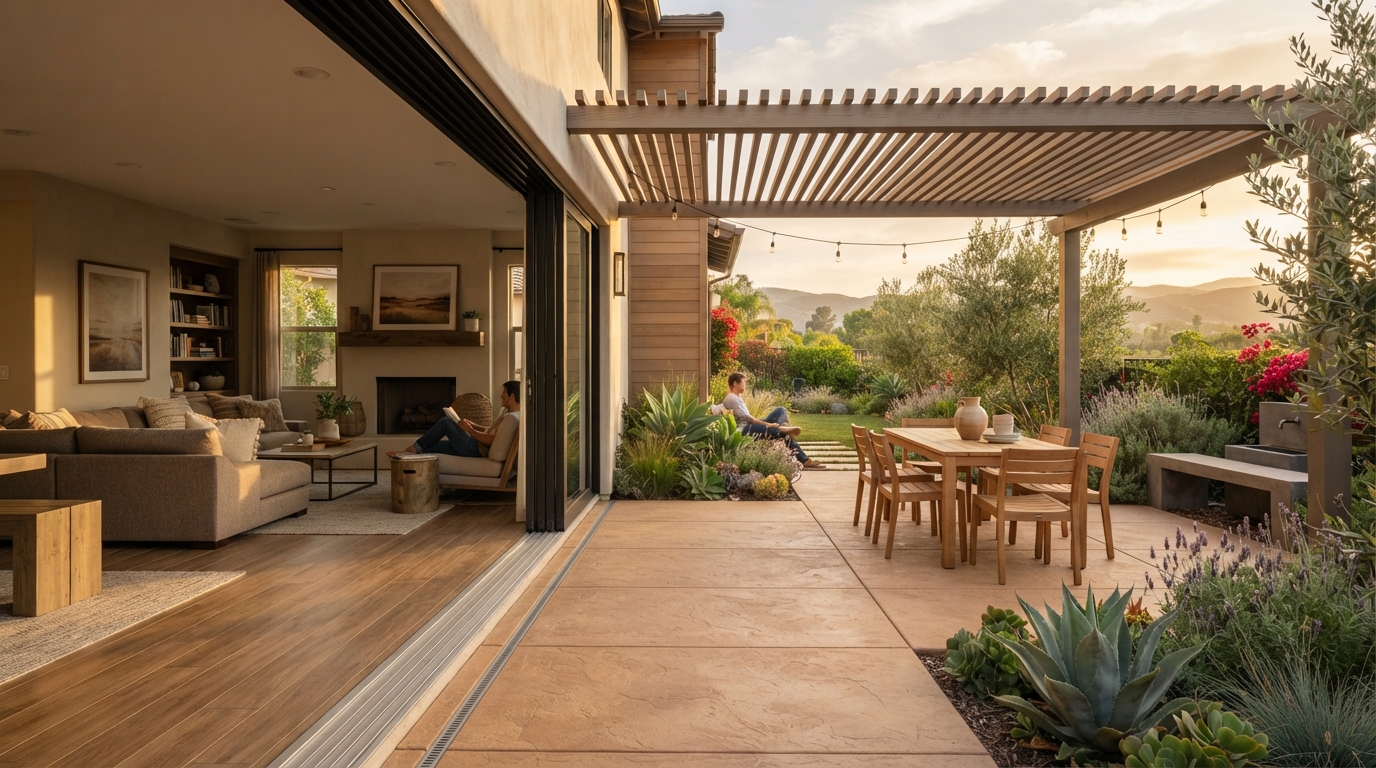
Trees, shade structures, drought-tolerant planting, natural stone and wood-look materials can make a retreat feel established within the landscape. Plant texture, seasonal change, fragrance and focal points contribute to the experience without making health promises.
Selection should consider heat retention of paving materials, barefoot comfort where relevant, irrigation overspray near seating or equipment, plant debris near spas or water features, root growth, maintenance requirements and fire-risk considerations where applicable. Not every natural material is low maintenance or appropriate for wet areas.
What utilities and site conditions should be evaluated?
Depending on the features selected, the project may require power, water, gas where applicable, drainage, structural support and service clearances. Slope, access and existing wiring all affect feasibility. Specialized equipment may need dedicated circuits, plumbing connections or equipment pads.
The written project scope should explain which items Colima will complete or coordinate and whether another appropriately licensed contractor is required. Regulated electrical, plumbing or gas work may require permits, inspections and specialty contractors.
What maintenance should be planned from the beginning?
Every retreat requires some ongoing care. Plant care, irrigation, leaf and debris cleanup and surface cleaning apply to most designs. Equipment-based retreats add water sanitation, filter maintenance, equipment servicing, cover care, drainage monitoring and ongoing energy use.
Equipment-based retreats generally require more maintenance than seating and planting alone. Homeowners should understand these responsibilities before committing to features that need regular attention to remain safe and functional.
Ventura County context for wellness retreat planning
Depending on the property, planning may be affected by coastal versus inland temperatures, sun and afternoon heat, wind exposure, water use, hillside or sloped lots, drainage, neighboring sightlines, mature trees, HOA rules where applicable, fire-risk considerations where applicable, city or county jurisdiction, and electrical, plumbing and structural requirements.
Not every Ventura County property has coastal exposure, a slope, an HOA or the same climate. Requirements depend on the address, jurisdiction, equipment and project scope. Homeowners should confirm applicable requirements with their city or Ventura County before beginning regulated work.
Frequently asked questions
What should an outdoor wellness retreat include?
A retreat can be simple or elaborate. It may include comfortable seating, shade, planting, a quiet garden, space for stretching, or optional features such as a spa, cold plunge or sauna. The design should follow the homeowner's actual routine rather than a checklist of expensive equipment.
Does a cold plunge provide proven health benefits?
Evidence for many broad health claims remains limited and results vary. Cold immersion produces an immediate physical stress response and may not be appropriate for everyone. Anyone uncertain about personal suitability should consult a qualified healthcare professional. A landscape contractor cannot determine whether cold immersion is medically appropriate.
How can I make an outdoor retreat more private?
Planting, screens, walls and thoughtful placement may improve visual privacy and soften the perception of noise. Results depend on sightlines, plant maturity, property dimensions and neighboring elevations. No combination of plants or screens can guarantee complete privacy or eliminate neighborhood noise.
Do outdoor spas, saunas or cold plunges require permits?
Permit requirements depend on the location, equipment, utilities and project scope. Electrical, plumbing, gas or structural work may trigger permits or inspections. Homeowners should confirm applicable requirements with their city or Ventura County before beginning regulated work.
How much space is needed for a backyard wellness retreat?
There is no single minimum yard size. A small shaded seating area with planting can function as a retreat, while a spa and cold plunge require more room for equipment, circulation and safe access. The appropriate size depends on the intended activities and property conditions.
Planning a Personal Outdoor Retreat?
Colima Landscape Inc. can help you plan how seating, planting, shade, privacy features and outdoor-living areas fit together across your property. Schedule a consultation to discuss your priorities and the overall landscape.
Book Consultation